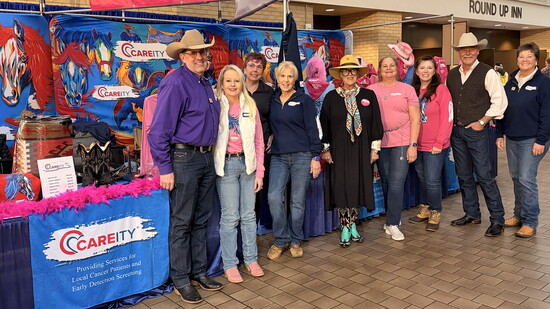
For Lyn Walsh, the mission behind Careity Foundation began with an intimate family cancer diagnosis at a young age that molded the direction of her life.
The inspiration for Careity traces back to the strength of two remarkable women: Walsh’s mother and the mother of her co-founder, Beverly Branch. Both women were deeply rooted in service, always looking for ways to uplift others in their communities. But both families were soon confronted with the painful reality of cancer.
Beverly’s mother, Mary Branch, battled an aggressive form of breast cancer for four years. The fight brought countless doctor’s visits, chemotherapy treatments, radiation, experimental therapies, and the emotional toll that accompanies a long illness. After years of courage, Mary passed away. Only six months later, Walsh also lost her own mother to lung cancer after surviving thyroid cancer at a young age.
“Losing our mothers only six months apart was a defining moment for both of us,” Walsh remembers. “It strengthened our commitment to helping families facing the same difficult journey.”
Even though neither family had financial concerns regarding this diagnosis, they were sympathetic to patients who aren’t acknowledged by the system due to financial concerns and the slow speed of action that would ultimately cause major stress in the recovery process.
Today, Careity Foundation serves uninsured and underinsured individuals across North Texas, helping patients navigate the often overwhelming path that follows a cancer diagnosis. Careity is unique in being a hands-on nonprofit that assists with cancer screenings, diagnostic testing, biopsies, and comprehensive patient support programs. They can even help navigate the needs of the insured.
For Walsh, the work is not simply about providing services. It is about walking alongside people during one of the most vulnerable moments of their lives.
“Cancer is not a single moment. It is a long and often overwhelming journey,” she explains. “Patients are managing medical decisions, emotional stress, financial pressures, and family responsibilities all at the same time.”
One of Careity’s most significant contributions is personal support. When patients call, they speak with someone who listens with empathy during moments of fear and uncertainty.
The Careity team includes social workers, nurse navigators, intake specialists, massage therapists, and pastoral support who collaborate closely with physicians and hospitals throughout the region. Together, they guide patients through treatment decisions while helping them access resources that might otherwise feel out of reach.
One such story is that of Sherry Barrett of Weatherford. During the early days of the COVID pandemic, Barrett’s husband had lost his job, their health insurance disappeared, and the family faced the possibility of selling their home. Amid the stress, a scan had revealed a mass that needed immediate attention.
With no insurance and no clear path forward, Barrett called Careity. What happened next surprised her.
Within hours, the Careity team had arranged and paid for a diagnostic mammogram appointment the following Monday. When the diagnosis was confirmed, they continued to guide her through each step of treatment, connecting her with physicians and ensuring she was not alone in the process.
“Having them get on it like that was unexpected,” Barrett later shared. “I felt so loved and so blessed. They took my fear and gave me hope.”
Stories like Barrett’s are what continue to motivate Walsh every day. She credits the dedication of volunteers, physicians, and community partners who rally around Careity’s mission.
“When you are serving people facing difficult circumstances, it’s essential to understand their needs before offering solutions,” Walsh explains. “Meaningful work like this is never accomplished alone. It requires collaboration, trust, and people who truly care.”
Looking ahead, Walsh and Branch hope Careity will continue strengthening the support network available to cancer patients and their families. Community partnerships, volunteers, and events play a vital role in sustaining the organization’s work.
What began with the loss of two beloved mothers has grown into a mission built on compassion, service, and hope, while ensuring that no one in North Texas has to face cancer alone.
“Meaningful work like this is never accomplished alone. It requires collaboration, trust, and people who truly care.”