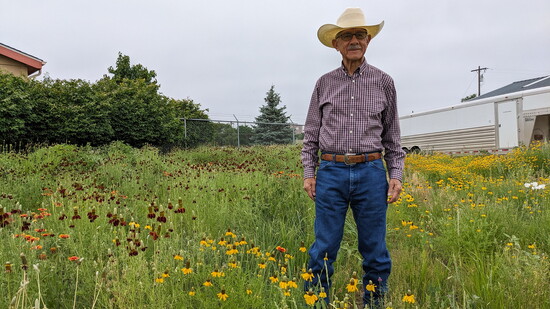
Native grasses are getting more attention these days, and for good reason. As water becomes more limited and land management costs continue to rise, many landowners are looking for options that make sense long-term. Native grasses offer a solution that’s practical, resilient, and well suited to local conditions.
Spring is the perfect time to start planning a native grass stand. In most areas, warm-season native grasses are best planted in late spring or early summer, once the soil has warmed up. Cool-season natives can be planted earlier in the spring or even dormant-seeded in the fall. Paying attention to timing helps give young seedlings the best possible start.
A massive advantages of native grasses is how efficiently they handle water. Because these plants evolved in local climates, they’re naturally adapted to survive on normal rainfall. Native grasses develop deep, extensive root systems that allow them to pull moisture from well below the soil surface. Once established, they typically require little to no supplemental irrigation.
That deep rooting also makes native grasses more resilient during dry years. While shallow-rooted grasses may struggle or thin out, native stands often stay productive and stable. Over time, this can mean real savings on water costs and less stress during drought conditions.
Maintenance is another area where native grasses shine. They generally require fewer fertilizer applications and are less prone to insect and disease issues than many non-native species. While weed control is important during the first year or two, established native grass stands tend to hold their own, reducing long-term maintenance needs.
Beyond the practical benefits, native grasses contribute to healthier land overall. Their roots help reduce erosion, improve soil structure, and increase organic matter. Native grass areas also provide valuable habitat for wildlife and pollinators, adding another layer of benefit that goes beyond simple ground cover.
It’s important to remember that native grasses don’t provide instant results. Establishment takes patience, and the first year can be slow. But for those willing to invest the time upfront, the payoff is a long-lived, low-input planting that can last for decades.
As spring approaches, native grasses are worth considering for anyone looking to save water, reduce maintenance, and build healthier landscapes. In many cases, the best solutions are the ones nature has already figured out.