When Katie Brodnik set out to better understand what to expect from menopause—and how to access meaningful care during perimenopause—she assumed finding the right healthcare professionals and learning about treatment options would be straightforward. It wasn’t.
Rather than retreat, she immersed herself. Books, podcasts, webinars—no resource was left unexplored. She spoke candidly with her mother, aunts, cousins, and friends, gathering stories that formed an overwhelming swirl of information—often conflicting, and at times confusing.
Neither the education nor the experts were easy to find. Katie wanted to change that. She wanted something easier for women to understand and trust, rooted in her own community of Boulder.
So she created it.
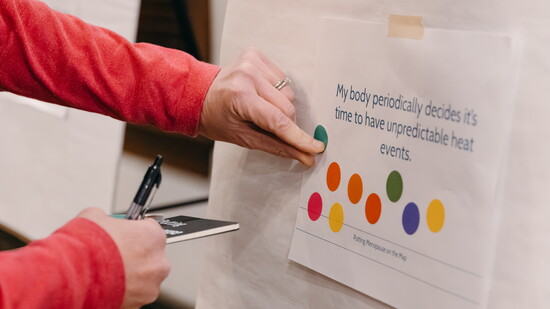
The result is MyMenoMap, a local in-person experience that combines community and education, bringing clarity, credibility, and humor to a stage of life often navigated alone. Its workshops feature a thoughtfully curated team of local medical practitioners, therapists, dietitians, health coaches, and fitness professionals. At its core, MyMenoMap empowers women to tune into their bodies and make informed, confident choices about their health.
We caught up with Katie to talk about what women often misunderstand about menopause—and how to approach it differently.
Boulder Lifestyle: What are the most common symptoms or concerns you see women struggling with?
Katie Brodnik: The symptoms women come to me with most often are sleep disruption, mood changes (anxiety, irritability, brain fog), weight gain, and low libido. Up to 50% of women worldwide experience depression or anxiety during this transition, and mental health symptoms often show up before the “classic” menopause symptoms do.
BL: What do most women misunderstand about menopause?
KB: What surprises most women is how early these symptoms can start, how wide-ranging they actually are, and how they could be related to the hormonal loss and fluctuations that occur during different stages of menopause. Menopause isn’t just hot flashes; it’s a whole-body transition.
BL: When does perimenopause start—and why do so many women miss it?
KB: Perimenopause, or what I like to call “La Peri,” is the chaos that ensues before the menopause transition is complete. The drop in estrogen is not a gradual slope for many women, as there are extreme highs and lows that wreak havoc on the body. It’s hormonal fluctuation that can cause many of the symptoms that lead women to say, “I’m not feeling like myself.” The challenge is figuring out when perimenopause has started and what treatment options are available. Many women have been told it’s just aging and something they should suffer through. Women will go to their providers for anxiety, insomnia, or weight gain and never connect it to their hormones, and unfortunately, many providers don’t either. This is why education is key.
Join the conversation this month at Putting Menopause on the Map at The Longmont Museum, and be sure to visit MyMenoMap.com to learn more about upcoming events.