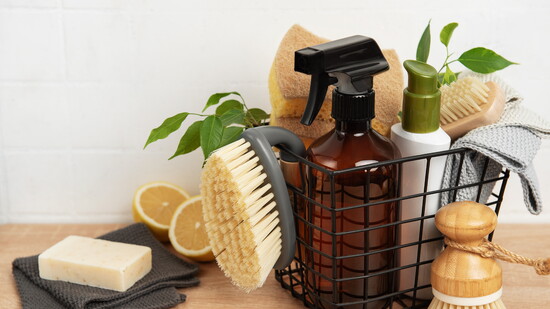
Our homes are often designed with longevity in mind, but how they are maintained also plays an equally important role in their performance over time. In recent years, many homeowners have begun reexamining everyday habits and products, not out of trend-following, but out of practicality: what supports comfort, preserves materials, and contributes to a healthier indoor environment?
The result is a quieter, more informed approach to home care—one that prioritizes effectiveness without excess.
CLEAN DOESN’T NEED A SCENT
For years, a strong fragrance was treated as proof of cleanliness. Today, homeowners are learning that scent often signals unnecessary additives rather than better performance. Many fragranced cleaners leave residues in the air and on surfaces long after use.
Low-toxicity, fragrance-free cleaning products are increasingly favored—not only for health reasons, but because they are gentler on stone, wood, tile, and finished surfaces commonly found in high-end homes.
AIR QUALITY AS DAILY MAINTENANCE
Indoor air quality is no longer viewed as a concern reserved for remodels or medical issues. Even well-designed homes can accumulate dust, allergens, and airborne irritants through routine living.
Instead of masking odors, homeowners are addressing the source through ventilation, filtration, and restraint. Regularly opening windows, maintaining HVAC filters, and minimizing aerosol exposure can meaningfully improve how a home feels over time.
WHAT TOUCHES THE BODY MATTERS
Textiles—bedding, rugs, towels, upholstery—are often selected visually, yet they play a daily role in comfort and wellbeing. Natural fibers such as linen, cotton, and wool are valued for their breathability, durability, and ease of care.
These materials tend to regulate temperature better and introduce fewer synthetic particles into the home, making them well-suited for everyday living.
LESS STERILE, MORE BALANCED
There is also a shift away from constant disinfecting. Over-sanitizing can introduce unnecessary chemicals without improving overall health.
A balanced approach—regular, targeted cleaning paired with airflow and sunlight—supports both comfort and practicality. A healthy home is not a sterile one, but a well-maintained one.
A practical checklist for everyday living
Small, consistent choices have a lasting impact on how a home feels.
This checklist is designed to be a simple reference—not a rulebook. Tear this page out, keep it on your fridge or in a utility drawer, and return to it as you replace products or adjust routines over time. There’s no need to do everything at once. Even one or two thoughtful changes can make everyday living feel cleaner, calmer, and more intentional.
✔ RETHINK FRAGRANCE
- Choose fragrance-free or lightly scented cleaners
- Avoid plug-in air fresheners and aerosol sprays
- Let “clean” be neutral, not perfumed
✔ PROTECT FINISHES
- Use cleaners appropriate for stone, wood, and tile
- Avoid harsh acids, ammonia, and bleach on premium surfaces
- Favor pH-balanced formulas
✔ SUPPORT BETTER AIR
- Open windows daily, even briefly
- Use HEPA-filter vacuums and replace filters regularly
- Minimize candles, incense, and synthetic scents
✔ PAY ATTENTION TO TEXTILES
- Wash new bedding and towels before use
- Choose linen, cotton, and wool where possible
- Use low-residue laundry detergents
✔ CLEAN WITH CONSISTENCY
- Focus on routine maintenance, not constant disinfecting
- Reserve sanitizers for when they’re necessary
- Let sunlight and airflow do part of the work
✔ SHOP WITH INTENTION
When sourcing cleaning supplies locally, ask:
- Is it fragrance-free or low-VOC?
- Is it safe for natural materials?
- Can it be refilled or reused?
✔ ADJUST GRADUALLY
- Replace products as they run out
- Keep what works; refine what doesn’t
- Small changes add up over time
N/A