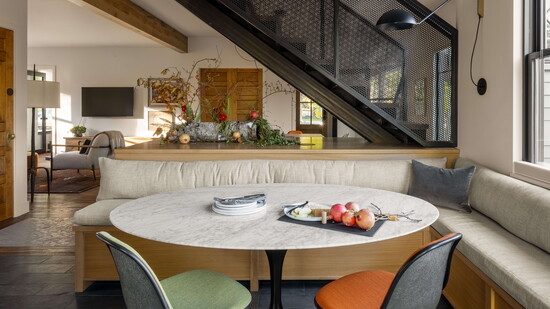
The Framework of Daily Life on Mercer Island
Before finishes are chosen or furniture is placed, architecture quietly sets the terms of daily life. It determines how light enters a room, how spaces relate to one another, and how a home responds to its surroundings. On Mercer Island, where landscape, water, and neighborhood context all play a role, architecture becomes less about statement and more about stewardship.
Architects understand that the most influential decisions are often the ones residents stop noticing altogether. Ceiling heights that allow spaces to breathe without feeling cavernous. Sightlines that connect rooms while still offering moments of privacy. Windows placed not just for views, but for how morning and evening light move through the house over the course of the day.
In homes that live well, architecture creates a rhythm. There is an ease to movement—between public and private spaces, between indoors and out. Rooms unfold naturally, supporting both gathering and retreat. The experience feels intuitive, even when the planning behind it is anything but simple.
On Mercer Island, architectural choices are also shaped by place. Sloped sites, wooded lots, waterfront exposure, and neighboring homes all demand thoughtful response. Rather than imposing a design onto a setting, successful architecture here tends to listen first. Orientation, scale, and material choices work in concert with the environment, allowing the home to feel grounded rather than performative.
What often distinguishes strong architecture is restraint. The decision to simplify rather than overbuild. To let proportion and light do the work instead of relying on excess detail. These choices may not command attention at first glance, but they reveal their value over time—through comfort, durability, and a sense of calm that endures.
Architects also think beyond how a home looks on move-in day. They consider how spaces will be used years later, how families might change, and how daily routines can be supported without friction. When architecture anticipates real life, a home adapts gracefully rather than resisting change.
In the end, good architecture doesn’t ask to be admired. It asks to be lived in. It fades into the background of daily routines while quietly shaping them—making a home feel balanced, considered, and deeply connected to its setting.
It is this unseen framework that allows everything else—design, construction, technology, and care—to fall into place.
Built to Be Lived In
A well-built home doesn’t announce itself all at once. It reveals itself gradually—through how it ages, how it responds to its setting, and how it supports daily life long after construction dust has settled.
Builders see homes differently than most people do. They’re involved long before finishes are chosen and long after plans are finalized. Their perspective spans years, not moments. And when you listen closely, their insights tend to cluster around a few enduring truths.
1. The Long View: What Endures Over Time
The most important decisions in a home are often the least visible. Structural choices, material selection, and construction methods rarely make a first impression—but they shape everything that follows.
Builders consistently note that homes which “live well” over time are those designed with patience in mind. Not just for current owners, but for future ones. Thoughtful framing, careful waterproofing, and systems planned for access and longevity quietly determine whether a home feels effortless—or demanding—years later.
These choices don’t shout. They support.
2. Industry Shifts That Change Daily Life
From energy efficiency to smart systems, the building industry has shifted dramatically in the past decade. But builders point out that the most meaningful changes aren’t about novelty—they’re about usability.
Homes today are expected to do more while asking less of their occupants. Better insulation, improved airflow, and integrated systems mean fewer adjustments, fewer surprises, and greater comfort. When done well, technology fades into the background, allowing the home itself to feel calm and intuitive.
The goal isn’t complexity—it’s ease.
3. Relationship to Place
A home that ignores its surroundings will always feel slightly unsettled. Builders working across varied sites—waterfront, wooded, or urban—understand that orientation, exposure, and topography are not constraints but opportunities.
Natural light, views, prevailing winds, and seasonal changes all influence how a home feels from room to room. Builders emphasize that when a house responds to its site—rather than imposing itself—the result feels grounded and intentional.
Place isn’t decoration. It’s structure.
4. Landscape as Living Space
Outdoor areas are no longer secondary. Builders increasingly see landscape, patios, terraces, and transitional spaces as integral to how people live day to day.
The most successful homes blur the line between inside and out, creating rhythm rather than separation. Covered outdoor spaces, thoughtful grading, and materials that weather gracefully extend the life of the home beyond its walls.
A home doesn’t end at the door.
5. The Quiet Mark of Craft
Perhaps the most consistent builder insight is this: the best work often goes unnoticed.
When doors close softly years later, when floors remain quiet underfoot, when a home settles without complaint—that’s craftsmanship at work. Builders measure success not by compliments at completion, but by silence afterward.
A home built well doesn’t demand attention. It earns trust.
What Professionals Notice First
There’s a moment that happens quietly, often before a buyer can articulate it. A pause. A breath. A sense of recognition. Realtors see it all the time.
Long before decisions are made on price or layout, something registers. And while buyers may describe it later as “a feeling,” professionals know it’s the result of many small, layered details working together.
The Things That Don’t Photograph Well
Realtors are often the first to point out that the most meaningful qualities of a home rarely show up in listings. Flow, light at certain times of day, how spaces connect—these things reveal themselves only through experience.
A home may look impressive online, but it’s how it feels when you move through it that matters. Sightlines, ceiling height transitions, and natural light patterns quietly shape comfort in ways buyers don’t immediately name—but always notice.
Comfort Over Impression
Homes that endure in memory tend to privilege comfort over drama. Realtors observe that buyers often come to value warmth, usability, and ease more than bold statements.
It’s not uncommon for people to fall in love with a space they hadn’t expected to—because it feels right. These are homes that support routines without friction, where daily life fits naturally.
Comfort, it turns out, is persuasive.
What Time Reveals
With hindsight, professionals see patterns buyers can’t yet anticipate. Certain features matter more after living in a home: storage that’s actually usable, layouts that allow privacy as well as connection, and materials that age gracefully.
Realtors hear it from clients months or years later—the appreciation for details that didn’t stand out initially, but now feel essential.
Homes reveal their value slowly.
The Intangible Sense of Belonging
There’s an intangible quality professionals learn to recognize. A sense that a home is aligned with its surroundings. That it belongs to its neighborhood, its light, its pace.
This isn’t about style. It’s about fit. When a home feels settled in its environment, the people inside tend to settle too.
What’s Easy to Feel, Hard to Explain
Realtors know that buyers often struggle to articulate why one home feels different from another. But professionals recognize the signs: relaxed body language, unhurried movement, the instinct to linger.
These are the moments when a house begins to become a home—before anyone says it out loud.
The Homes That Work Quietly
Some of the most important aspects of a home are the least visible. Home service professionals—those working in technology, systems, and specialized construction—understand this better than anyone.
Their work isn’t meant to impress. It’s meant to disappear.
When systems are designed well, homeowners stop thinking about them entirely. Security feels seamless. Sound moves naturally. Climate adjusts without effort.
Performance You Feel, Not See
Technology that works best doesn’t call attention to itself. Professionals note that comfort, security, and ease are felt in the absence of friction—when lighting responds intuitively, sound supports rather than overwhelms, and systems integrate quietly into daily routines.
The goal is not control, but confidence.
Designing for Real Life
Homes evolve. Families grow, routines shift, and technology changes. Service professionals emphasize planning systems that can adapt over time, avoiding solutions that feel outdated or intrusive within a few years.
Flexibility and foresight matter more than novelty.
The Value of Thoughtful Integration
When systems are considered early—rather than added later—they become part of the home’s fabric. Wires are hidden, controls are intuitive, and spaces remain uncluttered.
Good systems don’t dominate spaces. They support them.
Longevity Through Simplicity
Ultimately, professionals agree: simplicity lasts. Homes that live well over time are those where systems are reliable, understandable, and built to serve daily life quietly.
The best compliment is never hearing about it at all.
Living Inside the Design
Interior design isn’t just about how a home looks—it’s about how it feels to move through it, live in it, and return to it each day.
Designers understand that small decisions compound. Furniture placement, material choices, and transitions between spaces influence mood, movement, and comfort in subtle ways.
Design as Rhythm
Well-designed interiors guide movement naturally. They allow spaces to open and close at the right moments, creating both connection and retreat. Designers often focus less on individual rooms and more on how the home flows as a whole.
Comfort as a Design Principle
Beyond aesthetics, interiors succeed when they support daily life. Softness where it matters. Durability where it’s needed. Light that shifts gently throughout the day.
The most successful designs feel lived-in from the start.
Emotion Over Ornament
Designers often say that the goal isn’t to impress—but to calm, ground, or uplift. Interiors shape how people feel when they wake up, gather, and wind down.
When design aligns with life, it quietly becomes part of the family.