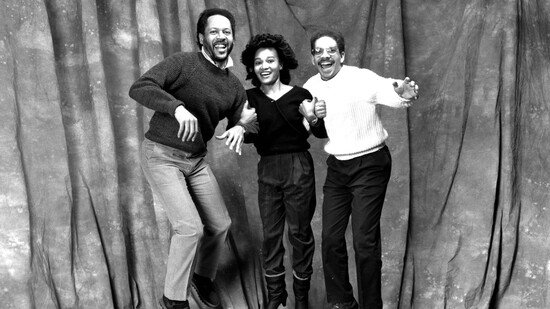
Every Sunday night from 7 to 10 pm, while most of Boulder winds down for the week ahead, something rare is still happening on the radio. Eclipse: The Shedding of a Blacker Light airs live on KGNU, continuing a tradition that began in 1978, making it, as host Dave “Deeprawk” Ashton puts it, “the longest running hip-hop program on planet earth.”
Eclipse launched around the same time as KGNU itself, born from a call for show ideas when the station was first forming. A group of CU Boulder undergraduates, many of whom were students of color, applied for a program that would play music not getting airtime elsewhere, while also creating space for conversations about issues affecting the community. At the time, hip-hop, as most people know, didn't yet exist, and rap music wouldn't become commercially available until the following year.
Because of that, Eclipse has always taken a broad view of hip-hop. The show isn't limited to rap records alone, but instead centers on underground music, social context, and voices that weren't being heard on mainstream radio. Over the decades, the sound has shifted with the culture. The show has gone through eras that include early rap, political anthems, and even stretches influenced by “quiet storm” soul, which Ashton describes as “slow romantic music for getting your groove on,” while staying rooted in community expression.
Ashton first became involved with Eclipse in 2006 after volunteering at KGNU and building a reputation in Colorado's hip-hop scene as an MC. He’d appeared on the show to promote music, but it was an invitation from the DJ Discern (DSRN) that brought him into the booth more regularly. Even then, it took six years before he became a consistent monthly contributor.
Today, Eclipse operates as what Ashton calls a family rather than a crew. The show typically features two to four DJs each week, working in a “cipher approach,” a collaborative, sometimes competitive rotation of long-form mixes. That structure, combined with the station's volunteer-driven model, is what Ashton believes has kept Eclipse running for nearly five decades. When one wave of DJs starts to fade out, another steps up, and the door stays open for new people to join. That steady handoff has helped the show stay consistent over time, with KGNU providing the home base.
The Eclipse Fam currently includes Mimi Da Masala, Buddah Shenglong, DJ Phanatik, Jubei Powers, DJ Konz, The Variable, Captain Chris Nathan, DJ A-L, D5, DJ Soul Rane, and Deeprawk Dave.
Ashton's own sets are shaped by vinyl, limitation, and intention. Because he plays exclusively from records, each mix requires preparation and thought. His themes often respond directly to what's happening in the moment, whether that's local protests, personal experiences, or a stack of records that suddenly feel connected. “It's about what's going to sound good together,” he says, “while still having some kind of message.”
While Eclipse is known for keeping classic hip-hop alive, the format also makes room for discovery. New sounds enter through local artists, guest features, and DJs, bringing their own tastes to the table. Ashton, who stays active in Denver's music scene, sees that exchange as essential.
Some of the show's most memorable moments come from the guests. Ashton points to a takeover by legendary Brooklyn producers Da Beatminerz, Mr. Walt, and DJ Evil Dee. This standout episode felt less like a radio appearance and more like a shared moment in hip hop history.
Eclipse’s legacy also includes its founders. Ashton stays in touch with Becky Taylor and Steve Chavis, both of whom went on to influential media careers. Early on, Eclipse wasn't afraid to blend music with reporting, covering major events as they unfolded, long before that kind of storytelling was common on hip-hop radio.
In an era dominated by streaming algorithms, Ashton says Eclipse still matters because hip-hop is bigger than playlists. “Music is the most visible part of hip-hop culture,” he says, “but it's not the end product.” Eclipse continues to honor the culture's foundations of DJing, MCing, dance, and graffiti through shared airtime, live mixing, and conversation. Learn more about KGNU and Eclipse at KGNU.org.