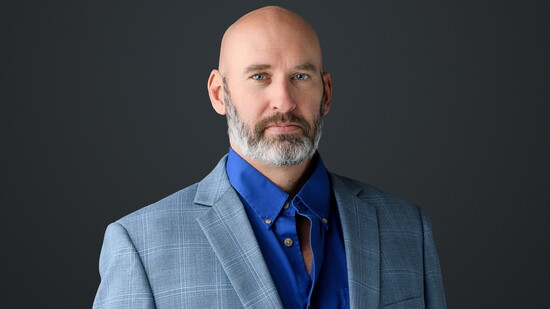
At the City of Celina Boards & Commissions Appreciation Dinner, Celina EDC Board President Clint Bissett was named Member of the Year. Serving on the Celina Economic Development Board [EDC] since 2019 and leading Leadership Celina, Bissett is recognized for his steady leadership, behind-the-scenes dedication, and commitment to Celina’s long-term economic success.
What does receiving the Member of the Year award mean to you personally?
The EDC experienced a particularly challenging period in 2024, with an interim director, a Board that had limited experience, and a brand-new City Manager all at the same time. Nearly the entire Board turned over during that period, which meant it was truly all hands on deck to keep the organization moving forward. Our focus was on maintaining continuity, supporting staff, and ensuring we stayed aligned with the City’s long-term economic goals until a new director could be hired and a new Board seated.
It was very much a group effort, and I’m proud of how everyone came together during that time. On the other side of it, we’re in a much stronger position, with a solid foundation and a renewed sense of momentum. We continue to have an incredible staff that works tirelessly to tell Celina’s story and partner with businesses, both new and existing, to help them succeed here.
That tough stretch required me to step up and dedicate more time to EDC business than I initially expected, but it was necessary to help guide us through. I’m truly honored and humbled to receive the award, while also recognizing that so many others played critical roles. That includes Melissa Thomas, who stepped in as interim Director, as well as Robert Ranc and his team - Anthony Satarino, Karla Stovall, Kimberly Brawner, and Ty Behringer. I’m extremely grateful to have worked alongside them.
When you first joined the Economic Development Committee, what motivated you to get involved?
Aimee and I moved to Celina in April 2018 after I took over the PK (now Westwood) office in July 2017. When we decided to move here, it was intentional. We wanted to be involved in the community and contribute to it, rather than simply live here and commute elsewhere.
As I explored different boards and commissions, the EDC immediately stood out. It aligned well with my professional background, as it allowed me to draw from experience working on both public and private development projects. Having seen both sides of the equation gave me a perspective on what developers need to make projects viable and what cities need to ensure those projects create long-term value for residents.
Looking back, it’s a little daunting how much I didn’t know about economic development when I first joined, despite Aimee’s experience in the industry. Fortunately, I was surrounded by knowledgeable staff and experienced Board members who took the time to teach me, answer questions, and help me understand the broader picture. That support made all the difference, and today I’m grateful to be in a position where I can help new Board members navigate that same learning curve more efficiently.
Was there a moment this year when you felt especially proud of the work you were doing for the city?
The EDC has been in an exciting phase over the past several years. When I first joined the Board, our focus was largely on downtown revitalization, and incentives were relatively small, often around $25,000. As Celina’s growth accelerated, we evolved our approach and began using performance-based sales tax rebate incentives. Under this model, businesses receive incentives only by generating sales tax over a defined period of time, up to a capped amount.
This strategy allowed us to partner with major retailers such as Costco, Walmart, Lowe’s, and Home Depot in a way that aligns incentives with results. If a business doesn’t perform, it doesn’t receive the incentive. That accountability has also supported our “speed to market” approach, encouraging businesses to open more quickly and begin contributing to the local economy sooner.
Another milestone was the purchase of the Martinek tract near downtown, which marked the first land purchase in EDC history. We’re currently in the process of studying and master planning the site to determine its highest and best use. The goal is to leverage that property strategically to generate jobs, sales tax revenue, and long-term economic impact, while also supporting our broader vision for downtown and surrounding areas.
There are honestly so many positive things happening that it’s hard to point to just one moment. We have major retailers coming online, Methodist opening as our first hospital, and King Place adding corporate headquarters nearby. One initiative that stands out right now is the launch of the Local Business Support Program, which is designed to help businesses open more quickly, navigate challenges, and scale successfully. We’re also exploring a small business incubator concept to allow entrepreneurs to test the waters in Celina, and I’m excited to see where that leads.
What are your hopes for the city’s economic growth moving forward?
Celina has experienced double-digit sales tax growth for several consecutive years, which is a testament to both our growth and our strategy. With Lowe’s, Walmart, and Home Depot expected to come online in 2026, we’ll have a strong and stable revenue base that allows us to continue incentivizing small and locally owned businesses.
I also hope to see continued growth in major employers, like Methodist, that allow residents to work closer to home. In addition, I believe entertainment options and community destinations, including the potential for a Rodeo Celina facility, will be key game changers. Those types of projects shift traffic patterns and help make Celina a place people visit to spend time, attend events, and invest their dollars, much like what we already see with Cajun Fest, Oktoberfest, and Troubadour.
If you could describe our city’s future in one word, what would it be and why?
Phenomenal. Celina has so much working in its favor, from tollway construction and the Outer Loop connection to US 75, to continued residential growth and reaching the 50,000-plus population threshold that attracts national brands. At the same time, we continue to support and grow strong local businesses, such as The Silos, Nowhere Bar, and HEYDAY.
While growth comes with challenges like traffic, infrastructure improvements, and construction, Celina has benefited from years of forward-thinking leadership that has focused on planning rather than reacting. The future here is incredibly bright.