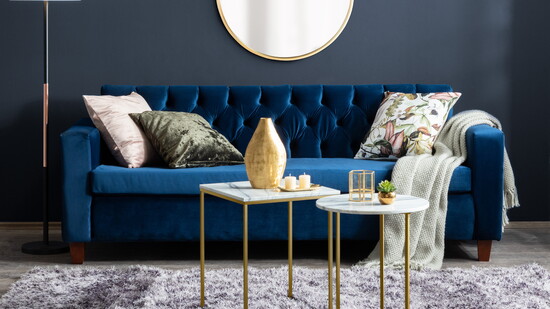
There’s a subtle but unmistakable difference between a house and a home. A house is walls, windows, and square footage. A home is how it makes you feel when you step inside: welcomed, grounded, and at ease. It’s where memories collect quietly in corners and where life unfolds in both ordinary and meaningful ways. Making a house feel like a home isn’t about perfection or following trends; it’s about intention, warmth, and authenticity.
At its core, a home should support the life you’re living now, not the one you think you should be living. That begins with comfort. Comfort doesn’t mean sacrificing style; it means choosing pieces that invite you to sit, stay, and settle in. Soft furnishings like throw blankets, layered rugs, and well-loved pillows instantly soften a space. These elements absorb sound, add visual warmth, and create an environment that feels lived in rather than staged. When comfort comes first, everything else falls into place.
One of the most powerful ways to create a sense of home is to tell your story through your space. Homes that feel deeply personal often feature meaningful objects rather than generic décor. Family photographs, travel souvenirs, heirlooms, or even children’s artwork anchor a space emotionally. These items don’t need to be perfectly curated; their value lies in the memories they hold. A gallery wall that evolves or a shelf filled with personal mementos gives a home its soul. When someone walks in and says, “This feels like you,” you’ve succeeded.
Lighting plays a quiet but transformative role in how a home feels. Bright overhead lighting has its place, but warmth comes from layers. Table lamps, floor lamps, sconces, and candles create a glow that feels inviting rather than clinical. Warm-toned bulbs mimic natural light and are easier on the eyes, especially in the evening. Dimmers allow rooms to shift with the rhythm of the day, energizing in the morning, calming at night. Good lighting doesn’t just illuminate a room; it sets the emotional tone of your home.
Bringing life indoors is another essential element. Plants and fresh flowers add movement, color, and a sense of care to a space. Even one potted plant can soften a room and make it feel nurtured. Beyond aesthetics, greenery has a calming effect, subtly improving mood and well-being. A home with living elements feels attended to, as though someone is always tending to it with intention.
Homes also become warmer when they are designed for connection. Furniture placement matters more than we often realize. Seating that faces one another encourages conversation, while open pathways make a space feel accessible and welcoming. Creating small, purposeful zones, a reading nook, a breakfast corner, and a coffee station, invites people to slow down and enjoy simple rituals. These spaces don’t have to be large; they just need to feel intentional. A home that supports connection becomes a place people naturally want to gather.
Beyond what you see, the senses play a powerful role in how a home feels. Scent is deeply tied to memory. The smell of fresh linens, a softly burning candle, or a favorite essential oil can instantly create familiarity and comfort. Sound matters too. Gentle background music, the hum of a fan, or even open windows letting in outdoor sounds can make a space feel alive. These subtle sensory details often go unnoticed, yet they are what make a home feel emotionally grounding.
One of the most important elements of a welcoming home is the acceptance of imperfection. A home is not a showroom. It doesn’t need to be spotless or finished at all times. In fact, signs of life are what make it inviting: a stack of books on the coffee table, shoes by the door, a blanket draped casually over a chair. These details signal that the space is being used and loved. When a home feels too perfect, it can feel unapproachable. When it feels honest, it feels human.
Ultimately, making a house feel like a home is less about what you buy and more about how you live within it. It’s about creating a space that reflects your values, supports your routines, and adapts as your life changes. Homes evolve, just as people do. What matters most is that your space feels safe, personal, and welcoming both to those who enter and to you at the end of a long day.
A true home doesn’t announce itself loudly. It reveals itself in quiet comforts, familiar scents, shared moments, and the deep sense of belonging you feel when you close the door behind you. When your home supports your life and tells your story, it becomes more than a place to live; it becomes where you truly belong.
A home should tell the story of who lives there through meaningful details and beauty.