Sometimes, a full HVAC is the right choice. Sometimes, it is not. That is why homeowners need to slow down before saying yes to a big quote on their heating, ventilation and air conditioning (HVAC) replacement.
In New Jersey, some homeowners are being told they need a whole new system when the real problem may be much smaller. Not every contractor does this. Many are honest and skilled. But it happens often enough that families should know how to protect themselves.
The quiet shift that changed how HVAC companies quote customers
Over the past several years, private equity firms have been buying up HVAC companies across the country. Many of these conglomerates keep the original family-owned branding, so you can't tell anything has changed.
The truck in your driveway looks the same. The sales approach behind it doesn't.
Here's what that shift means for you:
Technicians are trained to sell, not diagnose: Professionals should solve your problem, not push systems that you don't need.
Repairs are talked down: Companies make more on replacements, but they shouldn't have a problem with a repair when that's the right call.
Full replacements are made to feel like your only option: It’s not typically the only choice you’ll have.
Not every contractor operates this way, though. Many are honest professionals who genuinely want to help. But understanding how the industry has changed helps you ask better questions and protect your family's budget.
What HVAC repairs actually cost in New Jersey
New Jersey's older housing and humid summers put extra stress on HVAC systems, which affects both repair frequency and cost. Here’s what you should expect:
Common repairs
Quick fixes. Don't typically justify a replacement.
Capacitor replacements
Thermostat issues
Clogged drain lines
Minor refrigerant top-offs
Complex repairs
More involved, but still typically is a repair.
Blower motor replacement
Control board issues
Evaporator coil cleaning
Contactor or relay replacement
Large-scale repairs
Major parts failures. Repair or replace math makes sense.
Full compressor replacement
Condenser coil replacement
Significant refrigerant leak repair
When replacement makes sense
Sometimes, replacing the system is the best move. These are old systems that keep failing, use outdated refrigerants or have a serious safety problem.
Refrigerant recharges have gotten more expensive. A recharge that cost around $195 in 2023 now costs more than double or triple that amount because R-410A wholesale prices have roughly tripled due to phase-out regulations.
That price isn't a contractor ripping you off. It's a real market shift.
Red flags:
Skipped diagnostics. A proper diagnosis requires meters, gauges and troubleshooting. If a tech spends two minutes looking at your system and recommends replacement, that's a problem. Real diagnostics take time.
No repair tradeoffs mentioned. Be cautious of any technician who jumps straight to a full system replacement without exploring repairs.
Unnecessary pressure. "I have another customer waiting for this" is a classic high-pressure tactic to watch out for.
They can't show you the exact problem. Honest technicians are happy to show you the failed part.
They discourage a second opinion. A contractor confident in their diagnosis and pricing will welcome verification.
How to decide between HVAC repair and replacement
A common guideline, commonly known as “the $5,000 rule,” can help. This helps you evaluate a recommendation on your own.
The $5,000 rule is simple: multiply the repair cost by your system's age. If the total exceeds $5,000, replacement makes more sense.
$400 repair, 8-year-old system: $400 × 8 = $3,200 — repair likely makes sense
$1,000 repair, 12-year-old system: $1,000 × 12 = $12,000 — replacement worth considering
$600 repair, 6-year-old system: $600 × 6 = $3,600 — repair likely makes sense
This rule isn't perfect, but it provides a useful starting point.
How your system's age affects the math
Most HVAC systems last 12–15 years, though New Jersey's weather can accelerate wear (imagine trying to drink a milkshake through a cocktail straw – that’s your A/C in extreme weather or after a bad install). Once a system passes the 12-year mark, age alone becomes a factor.
Which refrigerant does the system use
Refrigerant type matters more than most homeowners realize:
R-22 systems: This refrigerant is phased out and extremely expensive to source. Replacement usually makes sense.
R-410A systems: Recharges are getting pricier due to HFC phase-out regulations, but R-410A systems don't require replacement yet.
R-454B systems: This is the current standard for new installations.
This information is typically on a label on the outdoor unit.
Questions to ask
About the diagnosis:
"What specific tests did you run?"
"Can you show me the broken part?"
"What happens if we wait?"
"If we do this repair, how much longer can I expect the system to last?"
About the estimate:
"Is this a final estimate, or can the price change?"
"What exactly is included—parts, labor, permits, disposal?"
"What warranty comes with this work?"
About the company:
"Are you licensed and insured in New Jersey?"
"Is your company privately owned, or owned by a larger group?"
These questions do two things. First, they help you understand what is really wrong. Second, they show you how the contractor responds. An honest contractor will answer clearly. A pushy one may get vague, defensive or rushed.
How to get a second opinion you can trust
When seeking a second opinion, look for a company that prioritizes diagnostics over sales.
“Free” inspections often bake that cost into inflated repair quotes. You're paying either way. Paid diagnostics frequently produce more honest recommendations because the tech isn't under pressure to "find something" to justify the visit.
Ask what their technicians are trained to do. A tech who can't diagnose a bad capacitor or chase down a refrigerant leak isn't really a technician—they're a salesperson in a uniform. One useful question: "If my compressor fails, can your tech repair it, or will the only option be a new system?" The answer reveals whether you're getting a craftsman or a closer.
Check reviews for mentions of honesty. Look past generic "great service" comments and find reviews that specifically mention fair pricing and no-pressure approaches.
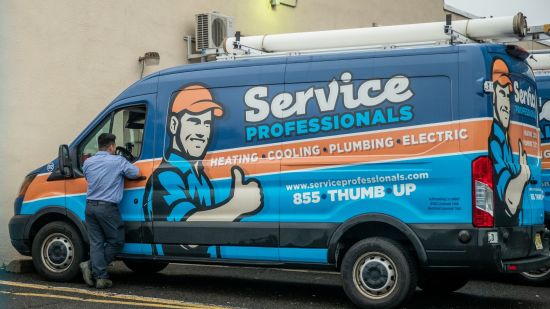
Service Professionals has built its entire approach around honest diagnostics, long-term trust and guarantees it stands behind. The Thumbs Up Guy represents the neighbor who'll give it to you straight—the guy you’d recommend to your family.
When a high HVAC quote is actually fair
Sometimes an expensive quote is legitimate. Here's when a high price tag may be justified:
Complete system failures: When multiple major components fail, or parts are no longer manufactured, replacement becomes the only viable option.
Safety issues: A cracked heat exchanger leaking carbon monoxide justifies immediate replacement to protect your family. This is non-negotiable.
High-efficiency upgrades: Modern equipment costs more upfront but can lower your utility bills over time. Federal tax credits may offset the cost.
Code compliance: Major repairs may require meeting current building codes, raising costs substantially. That's a legal requirement, not upselling.
How to find an honest HVAC contractor in New Jersey
A few qualities distinguish trustworthy contractors from the rest.
Clear communication: They explain problems in plain language, not confusing jargon. You feel informed, not confused.
Proper licensing: Always verify an active New Jersey Master HVACR license before any work begins.
Trust-focused reviews: Look for comments highlighting fair pricing and honest recommendations, not just "fast service."
Transparent philosophy: Good contractors can clearly explain why they operate the way they do and what makes their approach different.
FAQs: None of your HVAC questions should go unanswered
What time of year is cheapest to buy a new HVAC system?
Spring and fall are typically best. Contractors are less busy during these "shoulder seasons" and may offer better pricing to keep their teams working.
Do HVAC technicians earn commission on repairs and replacements?
Yes, and they should. Hourly base pay plus performance-based commission is actually the fairest structure in the industry. It keeps experienced technicians well-compensated and reduces turnover, which matters because a tech who's been at one company for 10 years has seen thousands of systems and knows what's worth fixing. The problem isn't the commission itself, it's how it's structured.
Service Professionals believes that good companies should tie commission to efficiency (the job done right the first time, no callbacks) and customer satisfaction. Bad companies tie it almost entirely to ticket size, which is what creates the pressure to sell replacements over repairs.
Your next step toward HVAC peace of mind
Facing a massive, unexpected HVAC bill is frustrating. The good news is that by asking the right questions and knowing the red flags, you can protect yourself and your family from unnecessary expenses.
If you've received a quote that feels off, Service Professionals is happy to provide a pressure-free second opinion. Contact Service Professionals for honest advice from a team that treats your home like they treat their own mom's place.