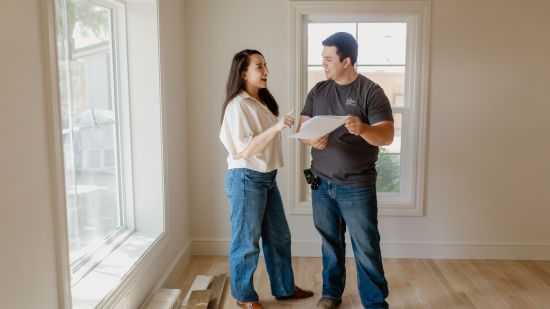
Few things are more exciting than planning a remodel. Whether you're transforming a kitchen, updating a primary suite, or reimagining your entire home, remodeling creates the opportunity to build spaces that better reflect how you live today. But while homeowners spend a lot of time thinking about the finished product — the beautiful kitchen, expanded gathering spaces, or spa-inspired bathroom — many underestimate the preparation that happens before the first wall comes down.
The reality is that successful remodeling starts long before demo day. Thoughtful planning can reduce stress, prevent delays, and make living through construction much easier. Here are seven ways to prepare for your remodel — and survive it with your sanity intact.
1. Give Your Neighbors a Heads Up
Construction brings noise, contractor vehicles, deliveries, and occasionally unexpected disruptions. While your contractor will typically communicate logistical information as needed, a personal note or conversation with nearby neighbors can go a long way. Reach out to neighbors beside you, behind you, and even across the street if access or parking could be affected. People tend to be more understanding when they feel included rather than surprised. A little communication at the beginning often prevents frustration later.
2. Have a Storage Strategy Before You Need One
One of the most common surprises homeowners experience is realizing just how much "stuff" exists in a home. Kitchens alone can hold hundreds of items tucked into drawers and cabinets. During larger projects involving multiple rooms, flooring, painting, or whole-home renovations, much more may need to be packed away than expected. Consider whether items will stay on-site in storage containers or be moved off-site entirely. Having a plan in place before construction begins keeps belongings protected and reduces the feeling of living in chaos.
3. Understand Which Spaces Will Be Off-Limits — and When
Many homeowners assume they can continue using most of their home throughout a remodel. Sometimes that's true. Sometimes it isn't. Different stages of construction can temporarily make spaces inaccessible:
Staircases during floor refinishing
Rooms during demolition
Areas requiring painting or specialty treatments
Temporary water or power shutoffs
Understanding these disruptions ahead of time helps families prepare and reduces stress when they occur. The more expectations are discussed before work begins, the smoother the experience tends to be.
4. Get Your Finances Ready Before Construction Starts
Budget conversations typically focus on project cost, but timing matters too. Homeowners should understand:
How contractor payments are structured
HELOC or financing timelines
Fund disbursement timing
Credit card fees or payment methods
Having financing organized and accessible before construction begins keeps projects moving without unnecessary delays or surprises.
5. Create a Temporary Kitchen
Kitchen remodels are exciting — but after several weeks without a sink, refrigerator, or stove, excitement can fade quickly. A simple temporary setup can make daily life significantly easier:
Mini refrigerator
Microwave
Coffee maker
Toaster oven or hot plate
Disposable utensils and paper products if needed
Setting up a small temporary kitchen in a dining room, basement, or spare space helps preserve routines and saves families from eating every meal at restaurants.
6. Make Your Selections Before Demo Day
Remodeling involves hundreds of decisions: Tile. Faucets. Cabinet hardware. Lighting. Paint colors. Flooring. Countertops. Waiting until construction is underway to make these decisions often creates pressure and decision fatigue. When selections happen too late, homeowners may feel rushed, projects can slow down, and change orders become more likely.
Making as many decisions as possible upfront creates a smoother process and helps ensure choices are made thoughtfully instead of reactively.
7. Document Existing Conditions
Before work begins, take twenty minutes and walk through your home with your phone. Photograph and video:
Walls
Floors
Trim
Windows
Existing finishes
Adjacent rooms
While no one anticipates issues, documenting existing conditions creates clarity for everyone involved should questions arise later. It's a simple step that protects both homeowners and contractors. A remodel isn't simply about changing walls, finishes, or layouts. It's about improving how a home functions for the people living in it. The projects that feel most successful usually aren't the ones without surprises. They're the ones where homeowners felt informed, prepared, and supported throughout the process. A little preparation upfront can make all the difference between simply surviving a remodel and enjoying the journey toward the finished result.
About Cooley Construction
Cooley Construction is a Columbus-based design-build remodeling company focused on creating homes that function beautifully for the way families live today. From kitchens and additions to whole-home transformations, the team guides homeowners through every stage of the process — from planning and selections through construction and completion.
Their approach combines thoughtful design, communication, and craftsmanship to help homeowners feel informed and supported throughout the remodeling journey. To learn more about Cooley Construction visit www.buildwithcooley.com