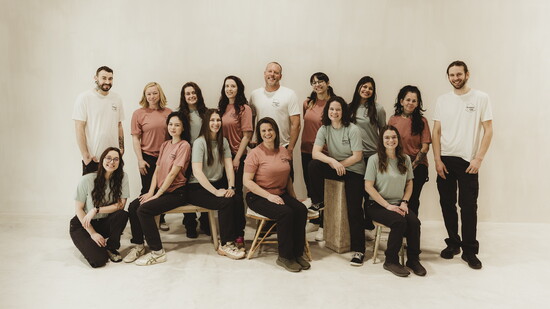
As a woman-owned business, I built Happy House on a principle this industry often ignores: cleaning is skilled labor, not casual work. While I officially started my LLC in 2017, my experience began years earlier, cleaning homes in high school and then in college while pursuing an animal science degree at UW-Madison.
Many cleaning business owners start the same way, picking up a mop without ever regularly calculating their numbers. There is rarely a bigger picture or long-term goals in mind.
We clean.
We stash cash.
We burn out.
Then we disappear.
For homeowners, that cycle creates a frustrating experience. Most cleaning businesses are never built to last.
About two years ago, I dropped the mop.
Instead of cleaning, I started building systems. I focused on who we want to clean for and what we want to achieve as a company. It is simple: stability and consistency, for both the client side and the employee side.
We want to give value and feel valued.
Our clients do not write “cleaning lady today” on their calendars. They know us by name. They respect what we do as skilled labor. They expect annual price increases to keep up with inflation. They want that for themselves and for the technicians who care for their home.
In return, we provide a professional, high-quality, consistent cleaning service.
House cleaning is not casual work. It is skilled labor that often goes unnoticed and underappreciated.
We would never dream of stiffing the bartender at a hotel, even following mediocre service, but do you leave a tip for the housekeeping staff each stay? In a world of tipping fatigue, appreciation does not have to be monetary. If you found your room to be exceptionally clean, share a compliment by letting the front desk know. Complaints flow more frequently than compliments in this industry.
Consider another comparison. A professional car detailing typically costs between $200 and $500.
Now imagine applying that same level of detail not to one vehicle, but to an entire home: bathrooms, kitchens, floors, appliances, baseboards, and every surface people utilize day-to-day. Anyone who believes the level of detail does not compare has likely never cleaned homes professionally.
When I started my company in 2017, I charged $80 an hour. Almost ten years later, that rate is still considered high, and that is part of the problem. I regularly hear homeowners say, “My cleaner charged $150 for my 5,000 square foot home for 20 years.”
In most industries, employees expect an annual raise. It is considered normal and necessary. But in residential cleaning, even modest price increases often cause clients to shop around for a cheaper option.
The result is an industry where prices remain frozen for years, sometimes decades, and the only way cleaners increase their income is by working faster and taking on more homes.
That is not growth.
That is wage stagnation.
And it is time we start talking about it.
For the industry to grow, we have to stop underbidding one another just to secure the next job. We need to show up as professionals and treat cleaning as a skilled trade. It requires knowledge of surfaces, chemicals, materials, and finishes.
The cleaning industry is built and powered largely by women. I want more of them to understand their numbers and know their worth. If you have questions, email me [Kelly Mullqueen | Kelly@happyhousemadison.com ]. I will help you make the decisions that move your business forward.
Higher standards create better businesses. Better businesses create better careers for the technicians who do the work and a better experience for our clients.
The professionals who maintain two to three homes every single workday deserve recognition for the skill their work requires.
Women shine their brightest when they know their worth and refuse to negotiate it.
When we stand firmly in that value, we do not just strengthen our own businesses.
We elevate an entire industry.
Women are not “cleaning ladies.” They are skilled professionals who deserve respect, standards, and pricing reflective of that.