There's a question people ask at parties: If you were an animal, what would you be? Or maybe, if you were a car...
Here's a better one.
If you were a restaurant, which one would you be?
Some are loud and scrappy, a little rough around the edges. Others are buttoned-up, quiet, and perfectly elegant. Like people, restaurants have personalities. Unlike people, they rarely enjoy long lives.
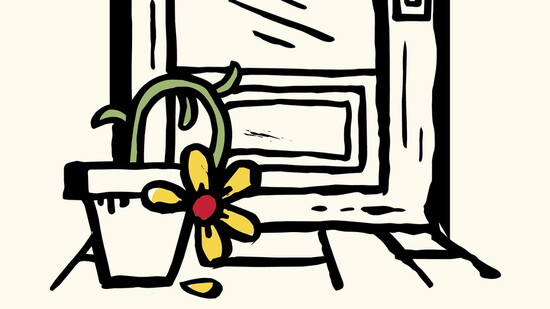
Some restaurants die young. Reckless and wild, they come in quick and go out with a bang in year one. Some live for five or ten years, and with the dog math calculus of 1:7 – that’s 35 to 70 years – millennial to senior citizen. And some just get old, tired, and die. When your Aunt Lucy passed away, no one would say, “she failed, she went out of business”. They’d say “she lived a great life, she gave people love, great conversation, memorable meals, and stories worth telling. Then she died. Gracefully.” That's the circle of life. Restaurants deserve the same perspective.
Opening a restaurant is really difficult. But staying open is the hard part. About half of all restaurants close within their first five years.
People often assume restaurants close because of some dramatic event. A chef melts down. An owner makes bad decisions. There are financial scandals or partner feuds. While those things certainly happen, they're usually not the reason. More often, restaurants simply reach a point where the economics, leadership, or ability to adapt can no longer support the memorable hospitality they're trying to provide. Longevity isn't luck, and hospitality ain’t perfection. It's the relentless pursuit of getting thousands of details right every single day. That's what makes longevity so remarkable. The incredible challenge is that the target never stops moving.
Every couple of years brings higher costs, newer and shinier restaurants, evolving tastes, and different customer expectations. Restaurants must reinvent themselves without losing what made people fall in love with them in the first place. Meanwhile, everyone has become a restaurant critic. One forgotten ingredient, a slow server, or music that's a little too loud suddenly becomes proof that "they're never gonna make it."
Today, rising wages, insurance, property taxes, and escalating rents have become the terminal diagnosis for many restaurants. A restaurant can still be busy, packed nightly and very beloved, yet the lease that made its success possible becomes its death rattle. Unlike many businesses, restaurants can't simply relocate. Their address becomes a vital part of who they are.
A restaurant's first year of business is survival. Five years is a major accomplishment. Ten years is remarkable. 20 years, it’s an institution; they've become part of the community. 30 years is extraordinary. Great culture, consistent food, and genuine hospitality don't happen by accident. They are choices made every day, sometimes twice a day.
40 years? This is unicorn territory. Give that restaurant your support. It's your sweet old grandma, as a restaurant—show her some love every chance you get.
So, if your favorite restaurant has been around for a while, don't take it for granted.
Restaurants aren't supposed to last forever.
The ones that do aren't accidents. They're built by people willing to make extraordinary sacrifices so the rest of us can gather around a table, celebrate life's milestones, and create memories that last far longer than the meal itself.
If you love a restaurant, tell them. Bring your friends. Keep coming back.
That's how unicorns survive.