Property damage rarely happens at a convenient time.
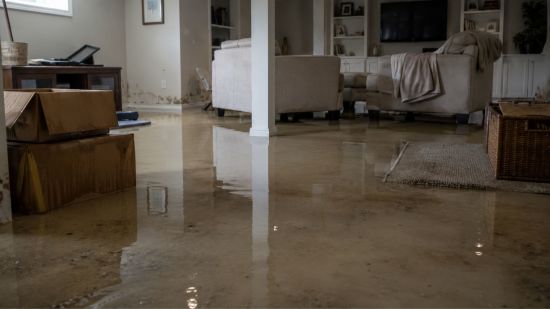
A burst pipe, flooded basement, sewage backup, fire or severe storm can quickly affect flooring, drywall, insulation, furniture and other parts of a home or commercial property.
Water can also travel into areas that are difficult to see. A room may appear dry while moisture remains beneath flooring, behind walls or inside structural materials.
A professional restoration company can help stop additional damage, remove water or contaminated materials, dry and clean the structure, document the loss and begin the repair process.
This guide features restoration companies serving Clinton, Lebanon, Flemington, Tewksbury, Annandale, High Bridge, Califon, Hampton, Pittstown and surrounding North Hunterdon communities.
Services may include emergency water extraction, structural drying, fire and smoke cleanup, mold remediation, sewage cleanup, storm restoration, contents cleaning and property reconstruction.
This is not a ranked list. Availability, certifications, insurance coordination and specific services vary by company. Property owners should speak directly with each provider before authorizing work.
Featured Restoration Company
Restoration 1 of Hunterdon County
Restoration 1 of Hunterdon County provides emergency property restoration services for homeowners and businesses throughout Clinton, Lebanon, Flemington and surrounding Hunterdon County communities.
The company responds to water damage caused by burst pipes, plumbing failures, appliance leaks, sump pump problems, roof leaks, storms and other property emergencies.
Its water restoration process may include emergency water removal, moisture inspection, structural drying, dehumidification, cleaning and sanitization.
Restoration 1 also provides fire and smoke damage restoration, mold remediation, sewage cleanup and storm damage services.
The company maintains dedicated local service content for Lebanon Township and operates under the Restoration 1 national restoration network.
Its technicians can help document affected materials, moisture levels and the restoration work performed during the insurance claim process.
Services include:
• 24/7 emergency restoration response
• Water extraction
• Structural drying and dehumidification
• Flooded basement cleanup
• Burst pipe water removal
• Sewage backup cleanup
• Fire and smoke damage restoration
• Soot cleanup
• Smoke odor removal
• Mold remediation
• Storm damage cleanup
• Moisture inspection
• Sanitization
• Residential restoration
• Commercial restoration
• Insurance documentation assistance
Restoration 1 of Hunterdon County can manage multiple stages of a property loss, from the initial emergency response through drying, cleanup and restoration.
SERVPRO of Hunterdon County
SERVPRO of Hunterdon County provides residential and commercial cleanup and restoration services throughout Clinton, Lebanon, Flemington, Tewksbury, High Bridge, Califon, Pittstown and surrounding communities.
The company offers 24/7 emergency service for water damage, fire and smoke damage, mold, storm damage and other property losses.
Water restoration services may include extraction, moisture detection, drying, dehumidification, cleaning and sanitization.
SERVPRO also offers fire cleanup, smoke and odor removal, mold remediation, sewage cleanup, emergency board-up, roof tarping, contents restoration and construction services.
Services include:
• Water damage restoration
• Emergency water extraction
• Structural drying
• Fire and smoke restoration
• Mold remediation
• Storm damage cleanup
• Sewage cleanup
• Emergency board-up
• Roof tarping
• Odor removal
• Contents cleaning
• Commercial restoration
• Construction and reconstruction
• Insurance documentation support
SERVPRO of Hunterdon County is a locally operated franchise supported by the training, systems and resources of the national SERVPRO network.
Visit SERVPRO of Hunterdon County
ATI Restoration of Flemington
ATI Restoration of Flemington provides water, fire, smoke, mold and environmental restoration services for residential and commercial properties.
The company operates from a Flemington location and serves property owners throughout Hunterdon County and surrounding areas.
ATI handles emergency mitigation, water extraction, structural drying, fire and smoke restoration, mold remediation, environmental cleanup and reconstruction.
Its team can also manage larger commercial and multifamily losses that require extensive cleanup, repairs or coordination between multiple services.
Services include:
• Emergency water damage restoration
• Water extraction
• Structural drying
• Fire and smoke damage restoration
• Soot and odor cleanup
• Mold remediation
• Environmental remediation
• Contents cleaning
• Commercial restoration
• Multifamily property restoration
• Large-loss restoration
• Demolition
• Reconstruction
• Insurance claim documentation
ATI may be a practical option when a property loss requires both immediate mitigation and more extensive repair or reconstruction services.
Visit ATI Restoration of Flemington
New Method Restoration
New Method Restoration provides emergency restoration services throughout Clinton, Flemington, Tewksbury, Lebanon Township, Bethlehem Township, Alexandria Township, Hampton and nearby Hunterdon County communities.
The company handles water damage, mold, sewage backups, storm damage and property reconstruction.
Water damage services may include emergency extraction, moisture detection, structural drying, dehumidification and removal of materials that cannot be safely restored.
New Method Restoration also assists homeowners and businesses with damage documentation and communication during the insurance claim process.
Services include:
• Emergency water removal
• Water damage restoration
• Flooded basement cleanup
• Structural drying
• Moisture detection
• Mold remediation
• Sewage cleanup
• Storm damage restoration
• Residential restoration
• Commercial restoration
• Property reconstruction
• Insurance claim assistance
The company’s Hunterdon County service area includes many of the communities covered by North Hunterdon City Lifestyle.
Visit New Method Restoration
PDQ Restoration
PDQ Restoration provides fire, water, smoke, mold and biohazard restoration services throughout Clinton, Lebanon, Flemington, Annandale and surrounding Hunterdon County communities.
The company offers 24/7 emergency response for flooding, sewage backups, burst pipes, appliance leaks, roof leaks and fire-related property damage.
Its water restoration process may include extraction, drying chambers, dehumidifiers, air movers, moisture meters and thermal imaging equipment.
PDQ also provides fire and smoke restoration, soot cleanup, odor removal, mold remediation, sewage cleanup, sanitization and biohazard services.
Services include:
• Emergency water extraction
• Structural drying
• Flooded basement cleanup
• Burst pipe water removal
• Sewage backup cleanup
• Fire and smoke restoration
• Soot removal
• Smoke odor treatment
• Mold remediation
• Moisture monitoring
• Sanitization
• Biohazard cleanup
• Insurance documentation support
PDQ maintains dedicated restoration content for Clinton, Lebanon, Flemington, Annandale and Hunterdon County.
Visit PDQ Restoration
Restoration Services North Hunterdon Property Owners May Need
Emergency Water Removal
Standing water should be removed as quickly as it can be done safely.
Water from a broken pipe, failed water heater, appliance, sump pump or plumbing fixture can spread into neighboring rooms and lower floors.
Restoration crews use pumps, extraction equipment and moisture-detection tools to locate and remove water.
Structural Drying
Removing standing water is only the first step.
Moisture may remain beneath flooring, behind drywall, inside insulation or within structural materials.
Professional structural drying may involve air movers, dehumidifiers, drying chambers, moisture meters and thermal imaging equipment.
The restoration company should continue monitoring affected materials until appropriate drying goals have been reached.
Flooded Basement Cleanup
Basements may flood because of heavy rain, groundwater, sump pump failures, plumbing problems or foundation leaks.
The restoration process depends on the source of the water and whether contaminants may be present.
Clean water from a broken supply line requires a different cleanup process than groundwater or sewage.
Burst Pipe Cleanup
Cold weather, aging plumbing and pressure problems can cause pipes to burst or leak.
Water should be shut off when it can be done safely. A restoration company can then remove the water, identify affected materials and begin structural drying.
Fire and Smoke Restoration
Fire damage restoration can involve more than repairing the area touched by flames.
Smoke, soot and odors may travel through rooms, ventilation systems and porous materials.
Fire restoration may include emergency board-up, roof tarping, water removal, soot cleanup, odor treatment, contents cleaning and structural repair.
Mold Remediation
Mold growth is usually connected to moisture.
Professional remediation may include finding the moisture source, isolating the work area, filtering the air, removing contaminated materials and cleaning the remaining surfaces.
The underlying water or humidity problem must also be corrected. Otherwise, the mold may return.
Sewage Cleanup
Sewage backups and contaminated floodwater can contain bacteria and other hazards.
Property owners should avoid direct contact with contaminated water.
Restoration crews may remove the water, dispose of affected porous materials, clean and disinfect the area and dry the remaining structure.
Storm Damage Restoration
Heavy rain, wind, falling trees and damaged roofing can allow water to enter a property.
Emergency services may include roof tarping, window board-up, water extraction and temporary stabilization before permanent repairs begin.
Contents Cleaning
Furniture, clothing, documents, electronics, photographs and other belongings may be affected by water, smoke or soot.
Some restoration companies can clean, pack, store or coordinate specialty restoration for salvageable items.
Commercial Restoration
Commercial property losses may affect employees, customers, inventory, equipment and business operations.
Restoration companies may provide emergency response, temporary containment, water extraction, drying, cleanup and reconstruction for offices, retail spaces, warehouses, medical offices and multifamily properties.
Reconstruction
Mitigation and reconstruction are different stages of the process.
Mitigation stops additional damage and removes affected materials.
Reconstruction replaces drywall, flooring, trim, cabinetry and other parts of the property after the structure has been stabilized.
What Happens During Property Restoration?
Emergency Inspection
The restoration company first identifies immediate safety concerns, the source of the damage and the areas that may have been affected.
The company may document visible damage, take moisture readings and develop an initial scope of work.
Stopping the Source
When possible, the source of the water or damage must be stopped before restoration work can proceed.
This may involve shutting off a water supply, repairing a plumbing failure, covering a damaged roof or securing an opening.
Mitigation
Mitigation focuses on stopping the damage from spreading.
This may include water extraction, emergency board-up, roof tarping, removing contaminated materials or setting up drying equipment.
Drying and Cleaning
Technicians dry the structure, clean affected surfaces and monitor moisture levels.
Fire and sewage losses may require additional sanitization, soot removal or odor treatment.
Damage Documentation
Photographs, moisture readings, equipment logs and material records can help document the scope of the loss.
The restoration company can provide this information to the property owner and insurance adjuster.
The insurance carrier makes the final coverage decision.
Repairs and Reconstruction
After the property has been cleaned and dried, repairs can begin.
The restoration company may perform the reconstruction directly or coordinate with a separate contractor.
How to Choose a Restoration Company
Ask How Quickly the Company Can Respond
Emergency availability does not always mean a crew will arrive immediately.
Ask where the responding team is coming from, when it can reach the property and what will happen during the initial visit.
Confirm the Company Serves Your Town
North Hunterdon covers a large geographic area.
Confirm that the company regularly serves your specific community and can dispatch a crew to the property.
Confirm the Company Handles Your Type of Damage
Some companies focus primarily on water extraction.
Others handle fire, mold, sewage, contents restoration and reconstruction.
Confirm which stages of the job the company performs directly.
Verify Training and Insurance
Ask about technician training, industry certifications, contractor licensing and liability insurance.
The company should be willing to explain who will perform the work and how the property will be protected.
Ask How Moisture Will Be Measured
Drying equipment should not be removed simply because the surfaces look dry.
Ask what instruments will be used, how often moisture levels will be checked and how the company will determine when drying is complete.
Understand the Insurance Process
A restoration company can document the damage and communicate with the adjuster.
It cannot guarantee that an insurance carrier will approve the claim or cover every service.
Property owners should also speak directly with their insurance company.
Review the Written Scope
The scope of work should identify the affected areas, materials being removed, equipment being installed and services being performed.
Ask questions before signing emergency authorization or reconstruction documents.
Common Restoration Questions
How quickly should I call after finding water damage?
Call as soon as the source has been stopped and it is safe to enter the area.
Water can move through walls, flooring and insulation before the full extent of the damage becomes visible.
Should I shut off the water before calling?
Shut off the water supply when it can be done safely.
Do not enter standing water near electrical outlets, appliances, panels or damaged wiring.
Can a restoration company find hidden water?
Restoration companies may use moisture meters, thermal imaging cameras and other tools to evaluate areas that cannot be inspected visually.
Additional investigation may be required behind walls or beneath flooring.
Can mold grow after a small leak?
Yes.
Even a small leak can create mold-friendly conditions when materials remain wet or humidity stays elevated.
Correcting the moisture source is an important part of preventing additional growth.
Will homeowners insurance cover the damage?
Coverage depends on the cause of the damage and the terms, limits and exclusions of the individual policy.
Sudden plumbing damage may be treated differently from flooding, groundwater, sewage backups or long-term leaks.
Contact the insurance carrier promptly and document the damage before discarding materials whenever it is safe to do so.
Should I call the restoration company or insurance carrier first?
During an active emergency, take reasonable steps to stop additional damage.
Many property owners contact both the restoration company and insurance carrier immediately.
Follow the requirements contained in the insurance policy.
Do I have to use the company recommended by my insurance carrier?
Property owners can generally select their own restoration contractor, subject to the insurance policy and applicable agreements.
Ask the carrier to explain any preferred-vendor program before making a decision.
What is the difference between mitigation and restoration?
Mitigation includes the immediate work needed to stop additional damage.
This may include water extraction, drying, board-up services and removal of contaminated materials.
Restoration includes cleaning, repairing and rebuilding the property after it has been stabilized.
How long does structural drying take?
The drying timeline depends on the amount of water, the affected materials, indoor conditions and how quickly work begins.
The company should base equipment removal on moisture readings rather than a fixed number of days.
What should I photograph before cleanup begins?
When it is safe, photograph the source of the damage, affected rooms, flooring, walls, furniture, belongings and any visible water lines.
Do not delay emergency mitigation merely to take additional photographs.
What should I do after a tree damages my roof?
Stay away from the damaged area and any fallen electrical lines.
Contact emergency services when there is an immediate safety risk.
A restoration company may provide temporary roof tarping, board-up services and water removal while permanent repairs are being arranged.
Need Emergency Restoration Help in Clinton, Lebanon, Flemington or Tewksbury?
Water, smoke, mold and sewage damage can spread quickly.
Contact Restoration 1 of Hunterdon County to inspect the property, stop additional damage and explain the restoration process.
Read our guide to power washing companies serving Clinton, Annandale and Flemington.
About This Guide
This guide is published by Garden State Circle. Businesses featured in our guides may participate as authority partners, which includes interviews, expert contribution and ongoing editorial collaboration. Partner participation supports our local publishing and does not influence the selection criteria described above or the other businesses included. When a featured business is a paid partner, we identify it in the article.