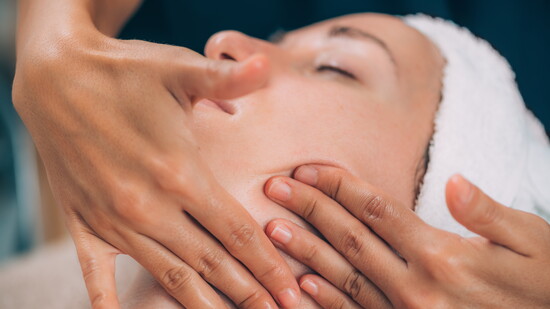
Women experience temporomandibular joint disorders (commonly known as TMJ) up to four times more often than men, yet many spend years treating headaches, neck tension, and facial pain without realizing the root cause may actually lie in the jaw. At Resurrection Bodyworks, Ashley Lang specializes in Orofacial Recovery Therapy (ORT), a gentle yet highly specialized form of manual therapy designed to release tension in the face, mouth, and neck. This deeply restorative work helps calm the nervous system, reduce chronic pain patterns, and support recovery after dental procedures or oral surgery. Many clients can feel the relief after just one session, as the tension in their jaw is finally released.
Can you tell me about Orofacial Recovery Therapy? What is it and why is it important?
Orofacial Recovery Therapy (ORT) is a specialized form of manual therapy that focuses on the muscles, fascia, lymphatic system, and joints of the face, jaw, mouth, neck, and throat. It combines gentle external techniques with therapeutic work inside the mouth to release tension patterns. The face and jaw are incredibly complex areas of the body - they influence how we breathe, chew, swallow, speak, and even how we hold our posture. When these structures become tight or imbalanced, it can affect the entire body. ORT restores healthy movement and circulation to tissues that are often overlooked.
What are the benefits of ORT? Who specifically can benefit?
The benefits of ORT are both therapeutic and preventative. Many clients seek treatment for TMJ pain, jaw clicking or locking, headaches, facial tension, and neck pain. ORT is also highly beneficial for people recovering from oral surgery, wisdom tooth extraction, orthodontic procedures, implants, or facial trauma. Gentle lymphatic techniques help reduce swelling and inflammation while improving circulation and tissue healing. In many cases, addressing tension in the jaw can have surprisingly positive effects on the entire nervous system.
What does a typical session look like? Are there any side effects?
A typical session begins with a conversation about symptoms, history, and areas of discomfort. Treatment usually includes work on the neck, shoulders, chest, and scalp first to relax surrounding tissues and prepare the body. I then incorporate specialized techniques for the jaw and face. When appropriate, intraoral massage is performed using medical gloves to gently release tension in the muscles inside the mouth, including the cheeks, jaw attachments, and floor of the mouth. Many clients describe the experience as deeply relieving and relaxing, occasionally even falling asleep. Some areas can feel tender if the tissues have been restricted for a long time. The floor of the mouth is where people usually experience pain if any, but side effects are usually mild and temporary.
To make learn more about Resurrection Bodyworks or to make an appointment, visit resurrection-bodyworks.com.
“The jaw is one of the most neurologically connected regions of the body. When that tension is released, the entire nervous system begins to shift.”