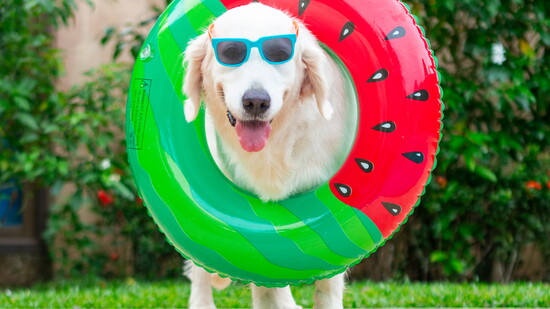
Summer is in full swing, and on any day that ends in a Y, you’ll find Minnesotans enjoying the fresh air and soaking up the sun. While there’s so much to love this time of year, it’s also important to stay aware of the hazards that can accompany all that outdoor fun. Our furry friends are no exception, and keeping them safe is just as important as keeping the rest of the family protected. Dr. Jessica Radtke Maltez and her team at Victoria Veterinary Hospital are committed to keeping our pets safe year-round. In the summer, though, extra planning and a watchful eye can help ensure our four-legged family members make the most of the season safely – with plenty of happy purrs and tail wags along the way.
Heat Exhaustion
“Heat exhaustion can seem to happen suddenly because people often miss the signs. The dog seems fine, until they aren’t.” Dr. Jessica says excessive panting can be an indicator that a dog is overheating, which often begins after outdoor activity in hot, humid weather. She suggests planning times to find shaded rest as well as taking breaks in the air conditioning. “Heat exhaustion can cause vomiting, stumbling, and collapsing. Once you’re at that point, it can be a crisis, and you would need urgent help.” If you do see signs of overheating in your pet, she advises placing cold rags on your pet’s extremities and rubbing cool water all over their body. She recommends avoiding sudden cold water dips or spraying your animal with the hose, as it can shock the body and slow proper cooling. Instead, Dr. Jessica prescribes air conditioning, a cool fan, offering water if they’ll drink it, and contacting your vet.
Bee Stings
A mild reaction from a bee sting includes redness and tenderness at the site. A more serious reaction is sudden weakness and rapid respirations. “You’ll know that your pet is having a serious reaction if they’re vomiting and have rapid breathing. If they were to collapse, it would happen within minutes of the sting.” Dr. Jessica says Benadryl can be given if available — 25 milligrams per 25 pounds of dog — but cautions pet owners to call their vet first, if possible, to discuss symptoms and confirm the correct dosage.
Chocolate Ingestion
“Dark chocolate and baking chocolate are a bigger issue for dogs because the compounds that cause symptoms are present in higher quantities, which makes them more potent.” Dr. Jessica emphasizes calling your vet immediately, as symptoms don’t appear right away, and prompt action may be necessary. Your vet will need to know how much was ingested and how long it’s been in the dog’s system. She notes that the Pet Poison Hotline, petpoisonhelpline.com, is also a great resource.
Water Dangers
Water presents a variety of risks for dogs, from swimming accidents to exposure to bacteria found in standing water. Dr. Jessica stresses the importance of keeping up to date with the Leptospirosis vaccine, which helps protect from bacteria commonly found in standing water. “Ingesting a lot of water into their lungs, especially for older dogs, can be a major issue.”
Dogs who really enjoy swimming can easily overdo it and sprain their tail, so enforcing downtime is important. Dr. Jessica warns that skin and ear infections can also develop after a splash-filled outing and recommends an ear-cleansing solution to help prevent them. She also notes that gently rinsing your dog with a hose after a day at the beach is essential, but advises against brushing while their skin is wet, as this can increase the risk of infection.
Be Prepared at Home
With many kids home alone in the summer, Dr. Jessica returns to the idea of being prepared. “Let your kids know who they should call if they suspect your pet is in distress,” she explains. She goes on to say that setting a daily routine and keeping animals primarily indoors when adults are away is a great way to keep pets safe. She also recommends putting together a simple first-aid kit to have on hand for unexpected situations that could arise during the summer.
The kit should include:
- Vet wrap (self-adhesive bandage)
- Benadryl
- Gauze
- Chlorhexidine solution (for cleaning wounds)
- Rags or old towels for cooling the pet’s extremities.
- A card with your vet’s phone number, after-hours care number, Pet Poison Hotline, and basic information like your pet’s weight, age, and any other important health information that would help with their emergency treatment.