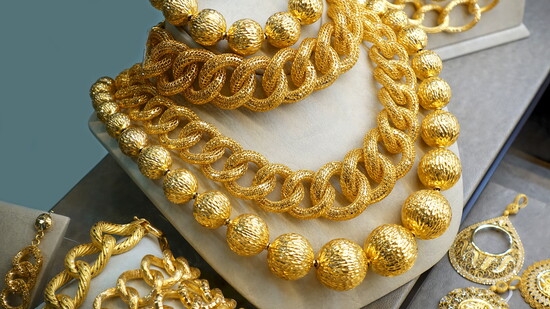
Jewelry heists often conjure up visions of Grace Kelly jaunting around the French Riviera and prowling on rooftops to secretly steal from high society, but this past fall's Louvre Museum robbery was anything but covert and had a particular motivation: the soaring value of gold.
The Louvre break-in is part of a wider pattern of criminals targeting museums not for their art, but for their jewels, gold, and precious metals that are easier to melt down or sell on the black market. These thefts have been on the rise as commodity prices surge. In the past year alone, gold prices have increased 75% attracting the attention of both legitimate investors and motivated thieves.
Today the price of gold is trading at over $5,000 per ounce, hitting highs of $5,586, a notable increase from historical averages over the past decade. And these all time highs do not seem to be cooling demand, only fueling it.
This price surge stems from several economic factors working together. Inflation worries, geopolitical tensions, and central bank buying have all pushed investors toward safe, more tangible assets, including gold.
Why invest in gold jewelry? We asked Alex Pols of Morgan Stanley what investors should consider when buying jewelry. "Gold was the first global currency, so when it comes to longevity, there's perhaps nothing that has stood the test of time like gold." Pols continues, "From generation to generation, you have something that can be passed down and continues to go up in value over time. For instance that $4,000 gold bracelet from David Yurman will have value long after you and Yurman are gone, plus it looks great on you."
Secondly, why invest in Gold? Pols remarks, "Historically gold is one of the best combatants against inflation. Prices often rise during periods of geopolitical uncertainty, economic crises, or market volatility. Gold often moves independently of traditional assets like stocks and bonds, reducing overall portfolio risk. With a history of value retention for thousands of years, it is considered a reliable, tangible store of value."
How to Invest in Gold
Physical Gold
Purchasing gold bullion is a popular and tangible way to own gold. You can buy gold bars and coins. However, buying and storing physical gold involves additional costs such as insurance, storage fees and security considerations.
Gold Stocks
Investing in gold mining companies provides exposure to the gold industry without owning the physical metal. It's important to note that factors beyond the price of gold - such as operational performance, exploration success and management decisions - can influence the share prices of gold mining companies. Investors should conduct thorough research on the companies and assess their financial health and potential for growth before investing.
Gold ETFs
Gold ETFs offer a convenient and cost-effective way to invest in gold. These ETFs hold physical gold or derivatives linked to the gold price. Some also invest in a portfolio of gold mining company stocks.
Investors can buy and sell shares of gold ETFs on stock exchanges, providing liquidity and flexibility. They also offer the ability to gain exposure to the price of gold without physical ownership and the associated storage and security concerns. There are transaction costs that can be as much as 10%.
Gold Futures
Investors can participate in the gold market through futures contracts. Gold futures involve buying or selling gold at a predetermined price and date in the future. This method allows for leveraged exposure to gold, amplifying potential returns and carrying additional risks.
Understanding the futures market and being prepared for the volatility and complexities associated with trading futures contracts is essential, as these are complex financial instruments not meant for beginner investors.
Gold IRAs
Similar to traditional IRAs, investments are tax-advantaged, but physical gold is often taxed as a "collectible" (up to 28%) upon withdrawal.
"With concerns over political policies, foreign investors being less comfortable with US assets, and inflation we may continue to see this upward trend in Gold," Pols says. "The weakened dollar also drives up cost of gold."
Time tested for those seeking stability and tangible security, gold offers a unique combination of protection and opportunity.
That $4,000 gold bracelet from David Yurman will have value long after you and Yurman are gone, plus it looks great on you.
Gold was the first global currency, so when it comes to longevity, there's perhaps nothing that has stood the test of time like gold.