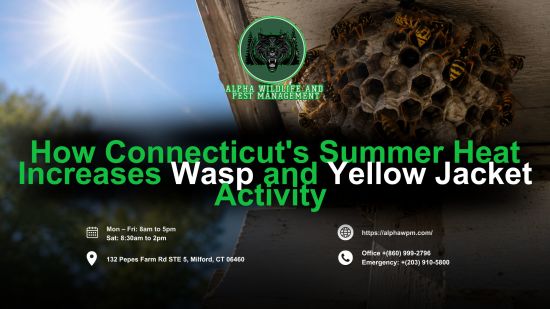
Why Yellow Jackets Become More Aggressive in Late Summer Across Connecticut
As summer winds down in Connecticut many homeowners begin to notice a sudden and alarming increase in yellow jackets in Connecticut. What may have started as a few harmless-looking insects earlier in the season can suddenly escalate into large, aggressive swarms by August and September.
This shift in behavior is directly tied to their life cycle. Understanding why yellow jackets become aggressive in late summer can help you avoid painful stings, reduce risks around your home, and know when it’s time to call for professional help.
Why Are Yellow Jackets More Aggressive in Late Summer?
The increase in aggression is a natural part of the yellow jacket life cycle. These insects behave very differently depending on the time of year.
During spring and early summer, queen yellow jackets focus on building their colonies. Worker yellow jackets are primarily tasked with hunting insects to feed developing larvae. At this stage they are generally less aggressive and tend to avoid human interaction unless their nest is directly threatened.
However, as the season progresses into late summer several changes occur:
Colonies reach peak population
Food competition increases
Larvae mature and require less protein
Workers shift their diet to sugar sources
By late summer a single colony can contain anywhere from 2,000 to 5,000 workers. With fewer larvae to feed, worker yellow jackets begin aggressively searching for sugary foods which is why you’ll often see yellow jackets around food in Connecticut during outdoor gatherings.
This is also when they become far more defensive of their nests. This makes yellow jacket stings in Connecticut much more common.
Why Connecticut Homeowners See More Yellow Jackets
Several environmental factors make Connecticut an ideal environment for yellow jacket infestations in Connecticut, especially in late summer.
Warm Temperatures Extend Activity
Connecticut’s warm late-summer weather allows yellow jackets to remain active longer which increases the likelihood of encounters.
Abundant Food Sources
Late summer offers plenty of natural and human-related food sources, including:
Flower gardens
Fruit trees with fallen fruit
Outdoor barbecues and picnics
Sugary drinks and snacks
Garbage bins and compost piles
These attractants significantly increase yellow jacket activity near homes.
Ideal Nesting Locations
Yellow jackets are highly adaptable and can build nests in a variety of locations, including:
Wall voids and attics
Sheds and garages
Under decks and porches
Underground burrows
Fence posts and structural gaps
Because many nests are hidden, homeowners may not realize they have a problem until activity becomes intense. This is why yellow jacket nests in Connecticut homes can go unnoticed until late summer.
Signs You May Have a Yellow Jacket Nest
Recognizing early warning signs is essential for preventing dangerous encounters. If you notice any of the following you may be dealing with a yellow jacket nest near your home:
Large numbers of yellow jackets flying in and out of a specific area
Increased activity near rooflines, soffits, or siding
Wasps entering holes in the ground
Constant traffic around decks, sheds, or fences
Groups of yellow jackets near garbage cans or outdoor eating areas
It’s important to remember that what you see is only a small portion of the colony. Many nests are hidden inside walls or underground which can make yellow jacket infestations in CT more dangerous than they appear.
Why DIY Yellow Jacket Removal Can Be Dangerous
Attempting to remove a nest without proper equipment or experience can be extremely risky. Unlike bees, yellow jackets can sting multiple times and will aggressively defend their colony.
When a nest is disturbed it can trigger a defensive swarm putting anyone nearby at risk of multiple stings. This is especially dangerous for:
Children
Pets
Older adults
Individuals with allergies
DIY methods often fail because they:
Do not eliminate the entire colony
Agitate the insects and increase aggression
Miss hidden or underground nests
Provide only temporary relief
For these reasons, professional yellow jacket removal in Connecticut is the safest and most effective solution.
How to Reduce Yellow Jacket Activity Around Your Home
While it’s impossible to eliminate every yellow jacket, homeowners can take steps to reduce what attracts them. Preventative measures play a key role in yellow jacket control in Connecticut.
Secure Food and Trash
Yellow jackets are highly attracted to sugar and protein sources.
Keep garbage containers tightly sealed
Clean trash bins regularly
Avoid leaving food exposed outdoors
Clean up spills immediately
Manage Outdoor Food During Gatherings
Backyard events are a major attractant.
Cover food and drinks
Use sealed containers when possible
Avoid leaving sugary beverages unattended
These steps help reduce yellow jackets around outdoor dining areas.
Maintain Your Property
Proper home maintenance can limit nesting opportunities.
Seal gaps around siding, vents, and soffits
Repair damaged wood or structures
Inspect decks, sheds, and fences regularly
This is essential for preventing yellow jacket nests in CT homes.
Remove Natural Attractants
Natural food sources can also draw yellow jackets.
Pick up fallen fruit from trees
Keep landscaping trimmed
Reduce standing water sources
Schedule Early Inspections
If you notice consistent yellow jacket activity, don’t ignore it. Early intervention can stop a small nest from becoming a large infestation.
Routine inspections are a key part of late summer pest control in Connecticut.
Protect Your Connecticut Home Before Summer Ends
Late summer is the peak season for yellow jacket problems in Connecticut. As colonies reach their maximum size, the risk of aggressive behavior increases significantly.
Waiting too long can result in:
Painful and repeated stings
Dangerous swarming incidents
Increased difficulty in removing nests
Greater risk for children and pets
At Alpha Wildlife & Pest Management, we specialize in yellow jacket removal Connecticut homeowners trust. Our team safely locates, treats, and removes nests whether they are underground, inside walls, or attached to your home.
Final Thoughts
Yellow jackets are a normal part of Connecticut summers, but their behavior changes dramatically as the season comes to an end. Increased aggression, larger colonies, and heightened activity make late summer the most dangerous time for infestations.
By understanding their behavior and taking proactive steps, homeowners can reduce risks and maintain a safer environment.
If you’re noticing increased yellow jacket activity in Connecticut, don’t wait until someone gets stung. Acting early is the best way to protect your home and enjoy the rest of your summer without worry.